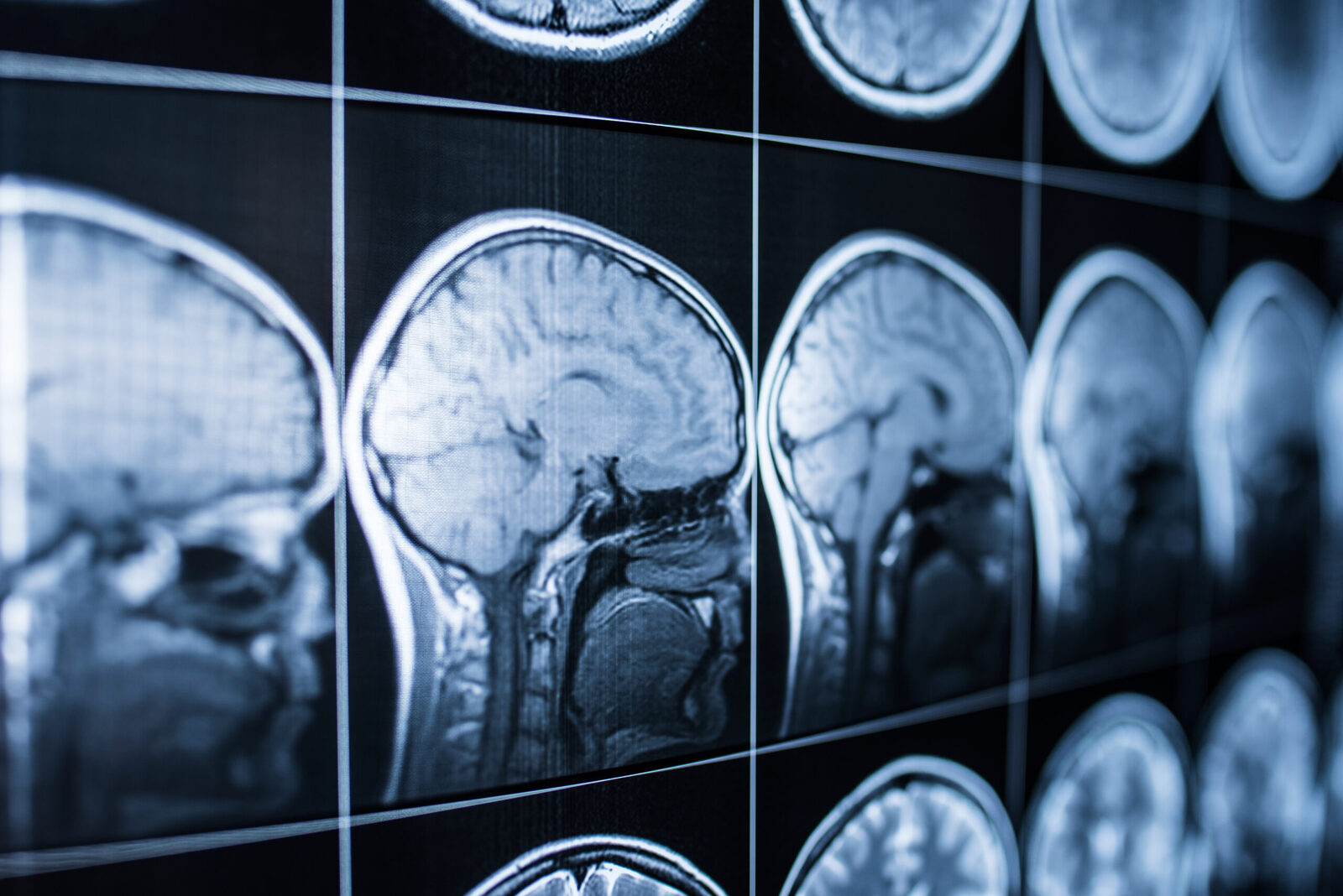
March is Brain Injury Awareness Month intended to bring focus on improving the quality of life for those living with brain injury. There are over 5.3 million Americans currently affected by brain injuries. Although we tend to think of brain injury in conjunction with veterans, it affects more than just those who served in the military.
Brain injury can happen to anyone. It can happen in a car crash, a fall, a sports injury, or another hard hit to the head. It can also happen after an internal event, like a stroke or heart attack, when the brain does not get oxygen long enough. That is why it is so important to know the signs and to understand that brain injury is not one-size-fits-all.
Two Types of Brain Injury
There are two types of brain injury: TBI, or traumatic brain injury, is an injury cause by an external trauma to the brain, something like a fall or a hard blow. An acquired injury is caused by an internal event such as a stroke or heart attack when oxygen to the brain has been cut off too long.
Both types can change how the brain works. A person may look fine on the outside and still have trouble thinking, remembering, or reacting the way they used to. That can make brain injury hard to spot, especially in the first days or weeks after the event.
After a fall or hit to the head, a person may shrug it off at first. But later they may feel confused, tired, or “not quite themselves.” For some people, symptoms show up right away. For others, symptoms take time to appear. That delay can make it harder for family, friends, and even doctors to connect the problems to a brain injury.
How Brain Injury Can Affect Daily Life
Brain injury changes how the brain works, but there are no two brain injuries that are exactly alike. If the event wasn’t drastic, there may be only temporary damage, but if it was severe enough, there may be confusion, pain, chronic headaches, an inability to process information, memory problems, mood changes or personality changes. These symptoms may take some time to appear, and some be life-long changes.
These changes can affect everyday life in many ways. A person may forget appointments, lose track of words, get overwhelmed in busy places, or need more time to answer questions. They may also have trouble with planning, managing money, following directions, or keeping up with work tasks. Mood changes can be hard on the person and the people around them. A person who was once calm may become more easily upset. Another may seem withdrawn or sad.
It helps to remember that these changes are part of the injury. They are not a choice. Patience, clear words, and calm support can make a big difference.
Sometimes traumatic brain injury can occur in older adults but may be identified as dementia rather than brain injury as many of the symptoms are similar. With either type of brain injury, if only mild damage occurred, it may be temporary and heal fairly quickly. If the damage was more severe, it may result in the need for long-term care rehabilitation services.
If a person has new memory loss, confusion, balance problems, headaches, or personality changes after a fall or other injury, it is worth asking more questions. In older adults, a brain injury can be missed because the signs may look like other health problems. That is one reason it is important to speak up and keep track of changes over time.
Work, Support, and Rehabilitation
Having a brain injury may affect an individual’s ability to work. Michigan Rehabilitation Services can often help, or special accommodations may make it possible for the person to continue working.
Work accommodations can be simple, but they can help a lot. For example, a person may do better with written instructions, extra time for tasks, fewer distractions, or a quiet space to take breaks. Some people may need a set routine. Others may need reminders, calendar alerts, or help breaking large tasks into smaller steps. The goal is to match the job to the person’s current abilities, not to expect the person to “just push through.”
Rehabilitation services can also support recovery and daily living. Depending on the person’s needs, this may include physical, speech, or occupational therapy, along with other care. Recovery may be quick for some and slower for others. The right support can help a person build skills, adjust to changes, and stay as independent as possible.
How to Help
As with other disabilities, the best way of helping someone with a brain injury is to ask what help they want or need. Being patient and not rushing the individual with a brain injury allows him or her the time needed to process thoughts.
That simple approach matters. A person with a brain injury may need more time to understand a question, find the right word, or make a decision. Waiting quietly, repeating information if needed, and asking one question at a time can help. It also helps to reduce noise and distractions when possible.
Here are a few practical ways to offer support:
- Speak in short, clear sentences.
- Give the person time to answer.
- Ask before helping.
- Offer choices instead of too many open-ended questions.
- Write down key steps, dates, or phone numbers.
- Keep routines steady when you can.
- Be patient if the person repeats something or loses track.
If you are a family member or friend, it can also help to remember that the person may feel frustrated, embarrassed, or tired. A calm tone and steady support can lower stress for everyone. Small acts, like helping with a calendar or giving a ride to an appointment, can ease daily strain without taking away the person’s independence.
If you work with someone who has a brain injury, clear communication is important. Give directions in steps. Allow breaks. Make sure important information is in writing. If the person asks for an accommodation, take it seriously and respond with respect.
Getting Help and Finding Resources
For additional information or help identifying resources for coping with brain injury, please call Disability Network Lakeshore at 616-396-5326.
DNL is a Center for Independent Living serving people with disabilities in Ottawa and Allegan counties, Michigan. Our services are free, and we can help people look for the right support, understand options, and work toward more independence. If you are not sure where to start, a phone call is a good first step.
Whether the need is related to work, daily living, or finding community resources, asking for help early can make the road a little easier. Brain injury can affect a person’s body, mind, and family life. No one should have to sort through it alone.
Our World still has barriers for people with disabilities.
Whether you're an individual or a company, searching for disability resources is discouraging and frustrating. And when you don't have the right tools, individuals and communities suffer. Wouldn't you like to live in an inclusive community where everyone can participate, contribute, and belong?
The right resources are hard to find. We get it.
We understand how it feels to struggle to fully participate in an inaccessible community, which is why we help people find and use disability resources.
Donate Today To Make a Difference!
Helping others live lives less complicated by disabilities takes people and resources. Support like yours helps us continue helping others struggling to navigate disability resources. 90% of your donation goes directly into services to individuals, their families, and our community.
Make A Donation Today!
442 Century Lane
Holland, MI 49423
Services
- Advocacy
- Assistance Animals
- Information & Referral
- Peer Support
- Emergency Readiness
- Social Security Disability
- Social Participation
- Veterans
- Skills Development
- Employment
- Transition
- Nursing Home Transition
- Youth Services
About
Contact Us
The Ability Award
Blog
DNL Live
Impact Report
Satisfaction Survey
Volunteer
Privacy Policy
UCP of Michigan
Info@dnlakeshore.org
Phone: (616) 396-5326
Fax: (616) 396-3220
Office Hours: 8am-4:30pm M-F
Disability Network Lakeshore is a Non-Profit 501(c)(3) Charitable Organization. © Copyright 2026 | Guide MKTG