
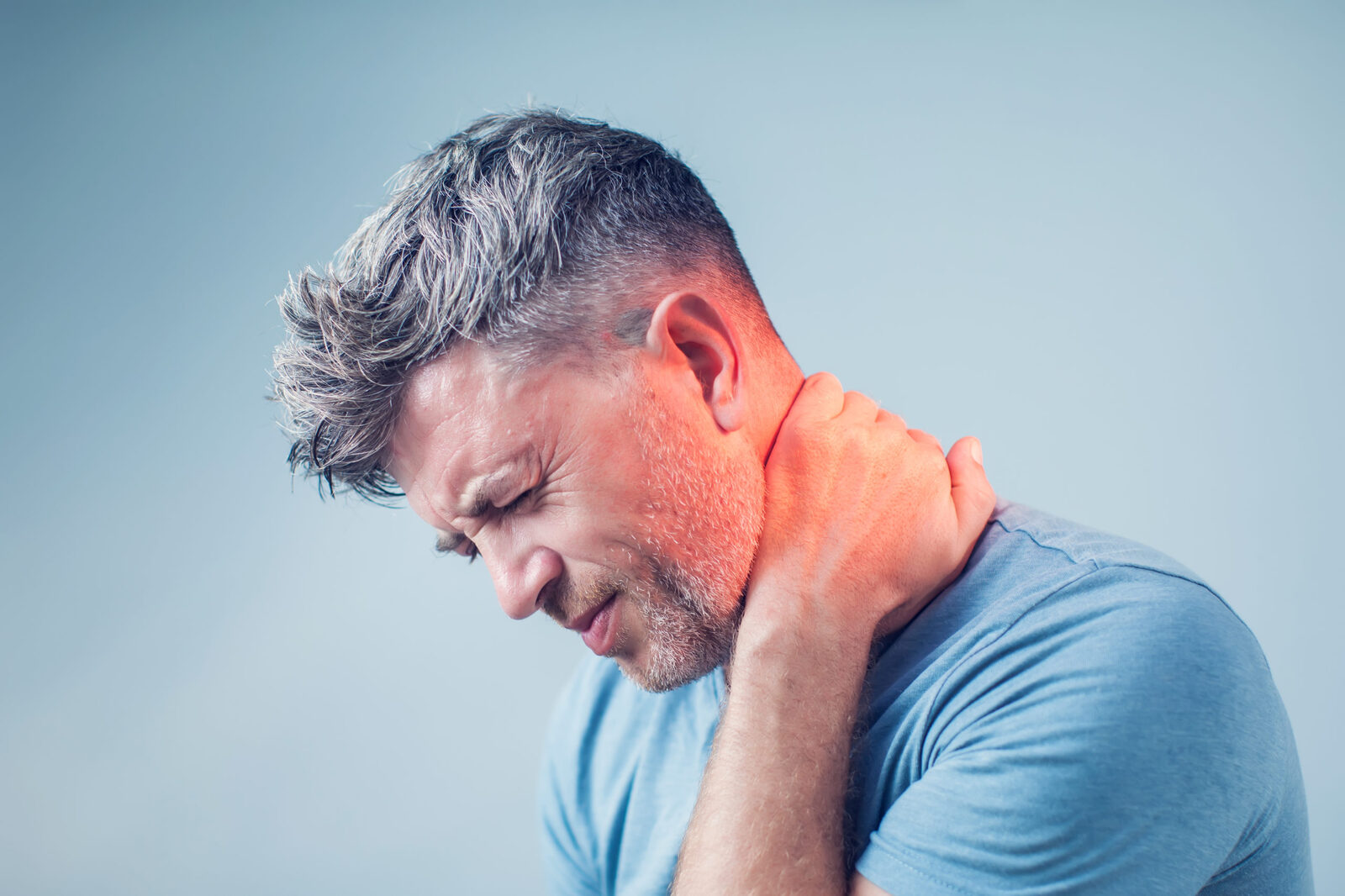
Chronic pain often accompanies disability. Whether it’s from the result of aging on your body, or from injuries or illnesses of the past, those of us who suffer from chronic pain find ourselves stuck in a cycle of misery. Pain that lasts day after day can wear you down. It can make simple tasks feel huge. It can also affect sleep, mood, energy, and the way you move through your day.
Chronic pain can reduce your quality of life to such an extent that you may find yourself sinking into depression and despair, fearing the cycle is endless. But there are many ways to reduce your pain and regain control of your life. Even if pain does not go away fully, small changes can still make a real difference. The goal is not always to be pain-free. Sometimes the goal is to make pain more manageable so you can do more of what matters to you.
Stress can make pain worse
Perhaps the most important step you can take to manage pain is to reduce your stress. That may sound easier to do than it really is, but it’s worth the effort. Stress intensifies the body’s sensitivity to pain. Most of us know that worrying makes our pain worse. When the body is tense, pain often feels sharper. Muscles can tighten. Breathing can become shallow. It can become harder to rest, and that can make the pain cycle even harder to break.
Unfortunately, it doesn’t help just to say “don’t worry, be happy!” Instead, try using standard stress-reduction techniques like massage, meditation, and relaxation exercises. If you haven’t tried these “tried and true” forms of stress reduction, they really can work. You may need to try more than one method to find what helps you most. For example, one person may do well with quiet breathing exercises, while another may prefer a warm bath, gentle stretching, or time alone in a calm room. The important thing is to give your body a chance to relax.
It can also help to build small moments of calm into your day. You do not need a full hour to begin. A few minutes of slow breathing, listening to soft music, or sitting outside in fresh air can help your body settle. If you can, try to notice the times of day when pain is worse and plan a short break before you reach your limit. That may keep stress from building up too much.
Try different kinds of support
There are some other things you can try too. Music or art therapy may not feel comfortable to you at first, but for some people, they can really help. At times, subconscious thoughts have an impact on the level of pain we feel. Music or art therapy can help identify some of those thoughts and develop strategies for coping with them, and that can help reduce your pain.
You do not have to be an artist or musician to benefit. The point is not to create a perfect song or picture. The point is to express what is hard to put into words. Some people find that drawing, coloring, playing music, singing along, or even listening to favorite songs helps them feel less trapped by pain. These activities can give the mind a place to rest and can help you notice feelings that may be adding to your stress.
If you are interested in trying something like this, start small. Pick one song list, one coloring page, or one simple art project. See how you feel before and after. If it helps, keep it in your tool box. If it does not help, you can move on without judgment.
Distraction can give your mind a break
Distraction is a proven method of dealing with pain. When you find something that holds your attention, your pain fades into the background. The funny thing about pain is that when it is relentless and we can’t ignore it, that’s when we find we can’t cope with it. If we can get a break from it now and then, we can handle it better.
Distraction does not mean pretending the pain is not real. It means giving your brain something else to focus on for a while. Reading, talking with a friend, watching a favorite show, working on a puzzle, tending a plant, or doing a simple craft can all help. Even a short break can matter. Some people also find it helpful to break a hard task into smaller pieces so they can shift attention between effort and rest.
If you notice that pain gets worse when you sit still and think about it, distraction may be especially useful. The best distractions are often the ones that engage both your mind and your hands, or your mind and your ears. If you can, keep a short list of “go-to” activities for bad days so you do not have to think too hard when pain is high.
Be involved in your treatment
If you feel you are at least somewhat in control over your pain, you can tolerate it better so be involved in your treatment options. Look at different ways of coping and be open to trying new things. If they help, fine, keep using them. If they don’t, then move on and look at other things. Reclaiming your life is your responsibility. Taking charge of your pain rather than letting it control you, is the first step in overcoming chronic pain.
Being involved can mean asking questions at appointments, keeping notes about what helps and what makes pain worse, and speaking up if a plan is not working. It can also mean noticing patterns. For example, maybe pain gets worse after too much activity, after a poor night’s sleep, or during times of stress. When you know your patterns, you can plan better around them.
Some people find it useful to track a few simple things each day:
- How strong the pain feels
- What you did before the pain changed
- How much rest you got
- What helped, even a little
These notes do not need to be perfect. They just need to give you useful clues. Over time, this can help you and your care team make better choices together.
It is also important to pace yourself. On a good day, it can be tempting to do too much. Then the pain may flare up later. Try to balance activity with rest. This may mean doing a task in short steps instead of all at once. It may also mean asking for help when you need it. That is not giving up. It is a wise way to protect your energy.
Support can help you find your way
Living with chronic pain can feel lonely. It can be hard to explain to other people, especially when pain is not always visible. But you do not have to sort it out alone. Talking with others who understand, including peer support or disability resources, may help you feel less isolated and more confident about your next steps.
Disability Network Lakeshore can help people with disabilities in Ottawa and Allegan counties find resources and support. Our services are free. If you need help looking at options, learning about disability services, or finding your next step, call us at (616) 396-5326. We are located at 442 Century Lane, Holland, MI 49423.
Chronic pain may be part of your life, but it does not have to control every part of it. Start with one small change. Reduce stress where you can. Try a new coping tool. Use distraction when you need a break. Stay involved in your care. Step by step, you can build a life that feels more your own.